Best Orthopaedic Doctors
Our orthopaedic specialists provide expert care for bone, joint, and muscle conditions, from sports injuries to joint replacements, using advanced surgical and non-surgical treatments for optimal mobility and function.
Top Orthopaedic Specialists

Dr. Sunil Verma
Orthopedic Surgeon
18+ years Experience
Qualifications
- MBBS, MS - Orthopedics
- Fellowship in Joint Replacement
- Member of Indian Orthopedic Association
Specializations

Dr. Meera Patel
Spine Specialist
14+ years Experience
Qualifications
- MBBS, MS - Orthopedics
- Fellowship in Spine Surgery
- Trained in Minimally Invasive Spine Surgery
Specializations
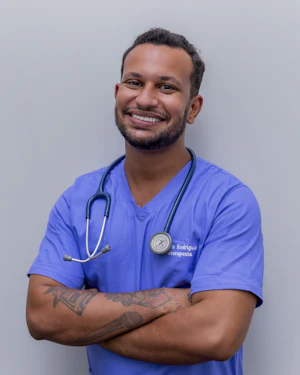
Dr. Aditya Singh
Sports Medicine Specialist
10+ years Experience
Qualifications
- MBBS, MS - Orthopedics
- Fellowship in Sports Medicine
- Certified in Arthroscopic Surgery
Specializations
Common Orthopaedic Conditions
Osteoarthritis
Rheumatoid Arthritis
Fractures
Sports Injuries
Tendonitis
Carpal Tunnel Syndrome
Rotator Cuff Tears
Spinal Stenosis
Scoliosis
Herniated Disc
Ligament Tears (ACL, MCL)
Plantar Fasciitis
Common Orthopaedic Procedures
Total Knee Replacement Surgery (TKR)
Total Hip Replacement (THR)
Arthroscopic Surgery
ACL Reconstruction
Fracture Repair
Spinal Fusion
Laminectomy
Rotator Cuff Repair
Carpal Tunnel Release
Joint Aspiration & Injection
Meniscus Repair
Shoulder Replacement
Why Choose Our Orthopaedic Specialists
Experienced Specialists
Our doctors have extensive training and experience in treating complex Orthopaedic conditions.
Patient-Centered Care
We prioritize your comfort, understanding, and involvement in treatment decisions.
Advanced Technology
Access to the latest diagnostic equipment and treatment technologies for best outcomes.
Comprehensive Care
From diagnosis to treatment and follow-up care, we provide end-to-end support.
Frequently Asked Questions
When should I see an orthopedic specialist?
You should consider consulting an orthopedic specialist if you experience persistent joint pain lasting more than a few weeks, difficulty using a joint or limb affecting daily activities, joint swelling or bruising, limited range of motion, joint instability or giving way, bone or joint deformity, or if you've suffered an injury that isn't improving with rest and home care.
What's the difference between an orthopedic surgeon and a rheumatologist?
Orthopedic surgeons focus on the diagnosis and surgical/non-surgical treatment of bone, joint, and soft tissue disorders including fractures, tears, and degenerative conditions. Rheumatologists specialize in non-surgical treatment of inflammatory conditions affecting joints, muscles, and bones, such as rheumatoid arthritis, lupus, and other autoimmune diseases. They often work together for comprehensive musculoskeletal care.
How long is the recovery after joint replacement surgery?
Recovery timelines vary by individual and the specific joint. For knee replacement, most patients can resume light activities within 3-6 weeks and see significant improvement by 3 months, with continued progress up to a year. Hip replacement patients typically recover somewhat faster, often walking with assistance within days, resuming light activities in 3-5 weeks, and experiencing full benefits within 6-12 months. Physical therapy is crucial for optimal recovery in both cases.
Are there alternatives to surgery for joint pain?
Yes, orthopedic specialists often recommend non-surgical treatments first, including physical therapy, medication (anti-inflammatories, pain relievers), weight management, activity modification, assistive devices, corticosteroid injections, viscosupplementation (gel injections for knee osteoarthritis), platelet-rich plasma (PRP) therapy, and regenerative medicine options like stem cell therapy. Surgery is typically considered when these conservative approaches don't provide adequate relief.
What advances in orthopedic surgery are improving outcomes?
Modern orthopedics has seen significant advances including minimally invasive surgical techniques with smaller incisions and faster recovery; computer-assisted navigation for precise implant placement; patient-specific implants customized to individual anatomy; improved bearing surfaces for longer-lasting joint replacements; biological treatments like PRP and stem cell therapy; enhanced pain management protocols allowing earlier mobilization; and robotic-assisted surgery for greater precision in joint replacement.
Schedule a Consultation with a Orthopaedic Specialist
Get expert medical care from our team of experienced Orthopaedic doctors.